Speaker Abstracts
July 31 – August 1, 2026 • Harvard University
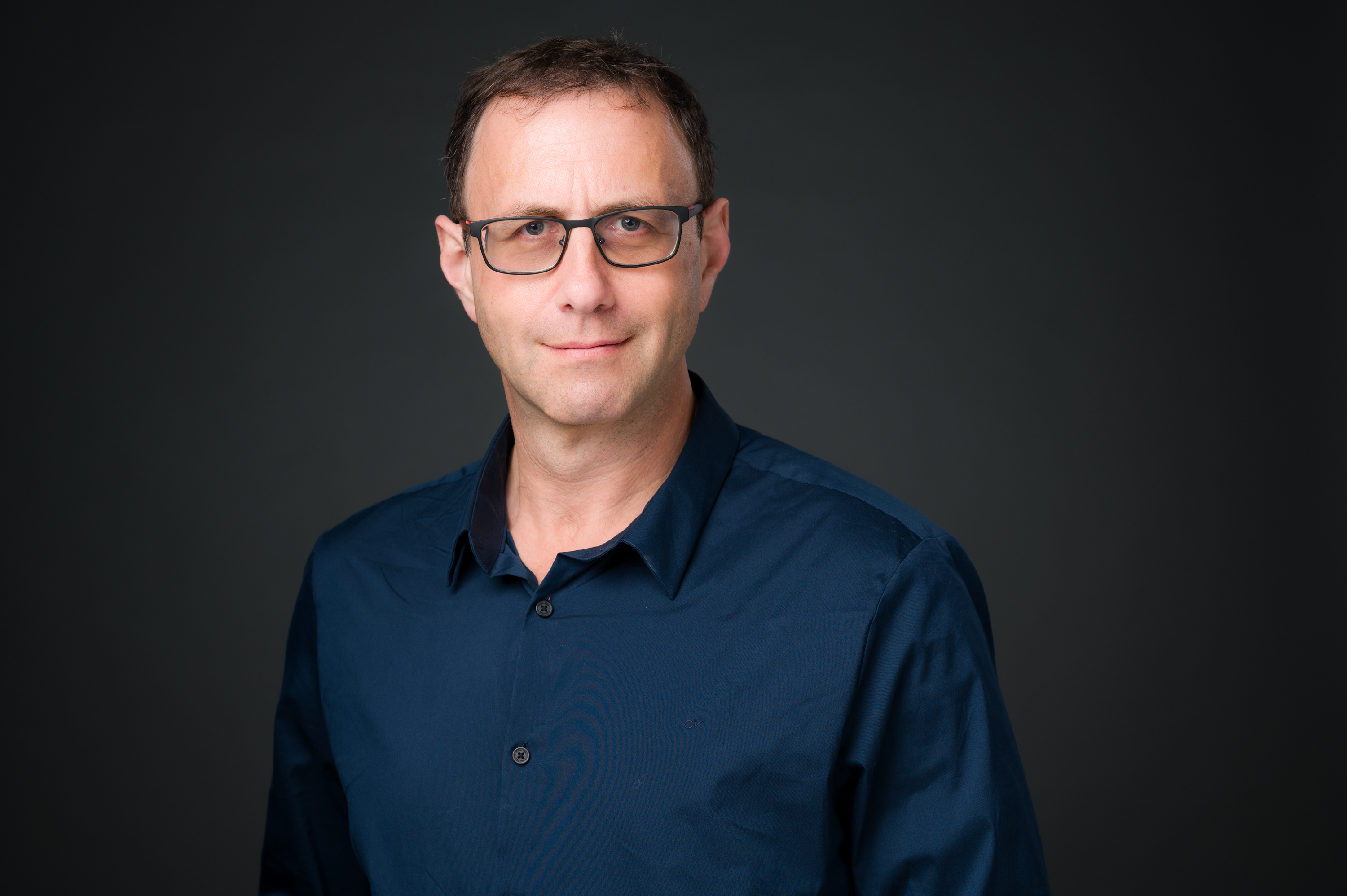
Misha Belkin
HDSI Endowed Chair Professor in AI, Halıcıoğlu Data Science Institute and Department of Computer Science and Engineering, University of California San Diego
Feature Learning and the Linear Representation Hypothesis for Steering and Monitoring LLMs
A trained Large Language Model (LLM) contains much of human knowledge. Yet, it is difficult to gauge the extent or accuracy of that knowledge, as LLMs do not always “know what they know” and may even be unintentionally or actively misleading. In this talk I will discuss feature learning, introducing Recursive Feature Machines — a powerful method originally designed for extracting relevant features from tabular data. I will show how this technique enables us to detect and guide LLM behaviors toward almost any desired concept by adding a multiple of fixed vectors in LLM activation spaces. I will give several examples including probing for whether an LLM exhibits motivated reasoning.

Rajarshi Mukherjee
Associate Professor, Department of Biostatistics, Harvard T.H. Chan School of Public Health
Statlib: A Statistical Library for Research, Education, and Beyond in an AI World
In this talk, we introduce Statlib, a verifiable library for mathematical statistics in Lean 4. As large language models now produce an increasing volume of plausible statistical arguments, machine-checked rigor is more important than ever. We will discuss how we can build Statlib on the most trusted library, Mathlib, to expand foundational mathematical and statistical results in measure theory, probability, and functional analysis, and to feed universal statistical abstractions back into Mathlib. Beyond programming, we have two things in mind: a deep understanding of the statistical language we're using, and a community of statisticians who are ready for this language to develop new research and education. We will also discuss how such a foundation is a prerequisite for trustworthy statistical AI: a transparent, open, machine-checked base enables agentic systems to build on statistics safely and lets us rigorously verify their output. With the aim of building an open, transparent, and trustworthy environment, we will discuss coordinating targeted formalization projects across classical and modern methods, developing comprehensive tutorials to onboard future contributors, and establishing a collaborative forum to address shared architectural themes and implementation challenges.
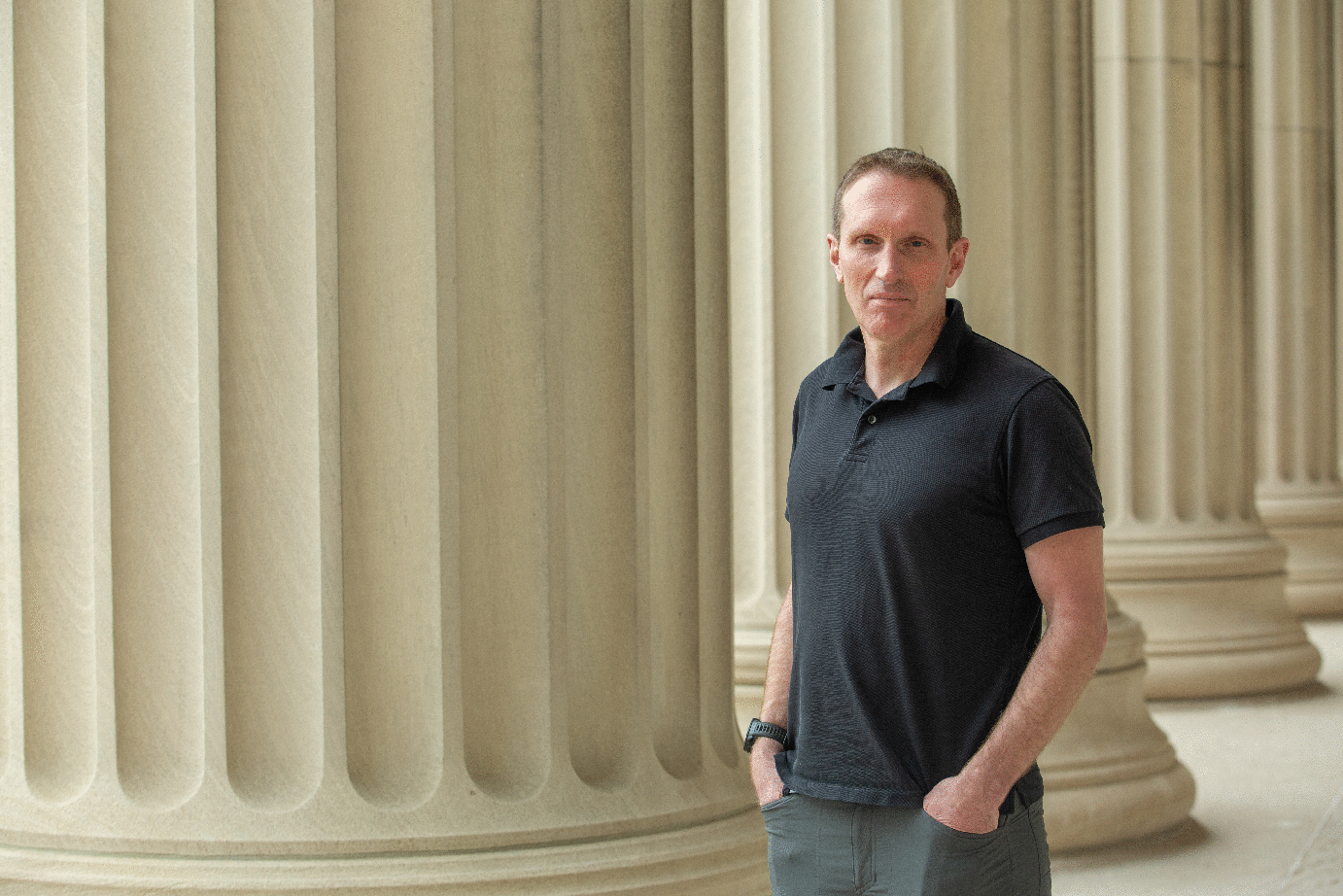
Martin Wainwright
Ford Professor of EECS and Mathematics, Laboratory for Information and Decision Systems, Statistics and Data Science Center, Institute for Data, Systems and Society, Massachusetts Institute of Technology
Synthetic Data for Black-Box Validation
Obtaining inferential guarantees on the prediction error of modern black-box methods is essential in practice. This task is challenging because such methods are opaque, allowing access only to predicted values; refitting is computationally expensive and can be performed only a limited number of times; and datasets may be heterogeneous, structured, or non-i.i.d. We propose a new procedure for black-box validation under these constraints. The method uses Rademacher residual symmetrization, in the spirit of the wild bootstrap, to construct a synthetic dataset. By refitting once on the synthetic dataset, we obtain non-asymptotic upper bounds on the prediction error without requiring hold-out samples or cross-validation. We illustrate the procedure in plug-and-play inverse imaging and photometric redshift prediction in astronomy.
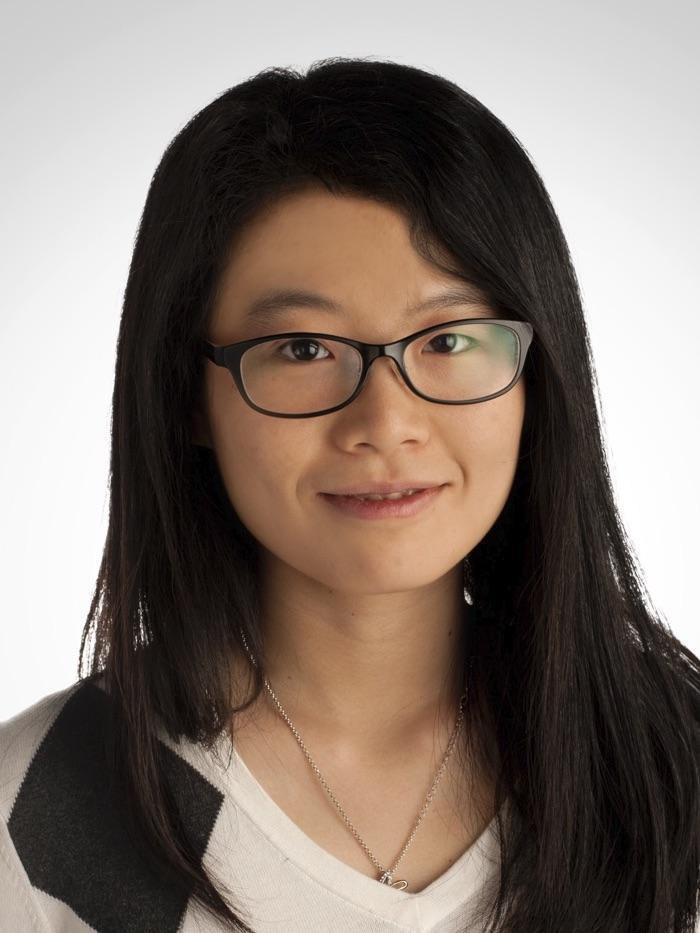
Mengdi Wang
Co-Director of Princeton AI for Accelerated Invention, and Professor of the Department of Electrical and Computer Engineering and the Center for Statistics and Machine Learning, Princeton University
LabOS: The AI-XR Co-Scientist That Sees and Works With Humans
Modern science advances fastest when thought meets action. LabOS represents the first AI co-scientist that unites computational reasoning with physical experimentation through multimodal perception, self-evolving agents, and Extended-Reality (XR)-enabled human-AI collaboration. By connecting multi-model AI agents, smart glasses, and robots, LabOS allows AI to see what scientists see, understand experimental context, and assist in real-time execution. Across applications — from cancer immunotherapy target discovery to stem-cell engineering and material science — LabOS shows that AI can move beyond computational design to participation, turning the laboratory into an intelligent, collaborative environment where human and machine discovery evolve together.

Andrew Wilson
Professor, Courant Institute of Mathematical Sciences and Center for Data Science, New York University
From Entropy to Epiplexity: Rethinking Information for Computationally Bounded Intelligence
Can we learn more from data than existed in the generating process itself? Can new and useful information be constructed from merely applying deterministic transformations to existing data? Can the learnable content in data be evaluated without considering a downstream task? On these questions, Shannon information and Kolmogorov complexity come up nearly empty-handed, in part because they assume observers with unlimited computational capacity and fail to target the useful information content. In this talk we identify and exemplify three seeming paradoxes in information theory: (1) information cannot be increased by deterministic transformations; (2) information is independent of the order of data; (3) likelihood modeling is merely distribution matching. To shed light on the tension between these results and modern practice, and to quantify the value of data, we introduce epiplexity, a formalization of information capturing what computationally bounded observers can learn from data. Epiplexity captures the structural content in data while excluding time-bounded entropy, the random unpredictable content exemplified by pseudorandom number generators and chaotic dynamical systems. With these concepts, we demonstrate how information can be created with computation, how it depends on the ordering of the data, and how likelihood modeling can produce more complex programs than present in the data generating process itself. We also present practical procedures to estimate epiplexity which we show capture differences across data sources, track with downstream performance, and highlight dataset interventions that improve out-of-distribution generalization. In contrast to principles of model selection, epiplexity provides a theoretical foundation for data selection, guiding how to select, generate, or transform data for learning systems.
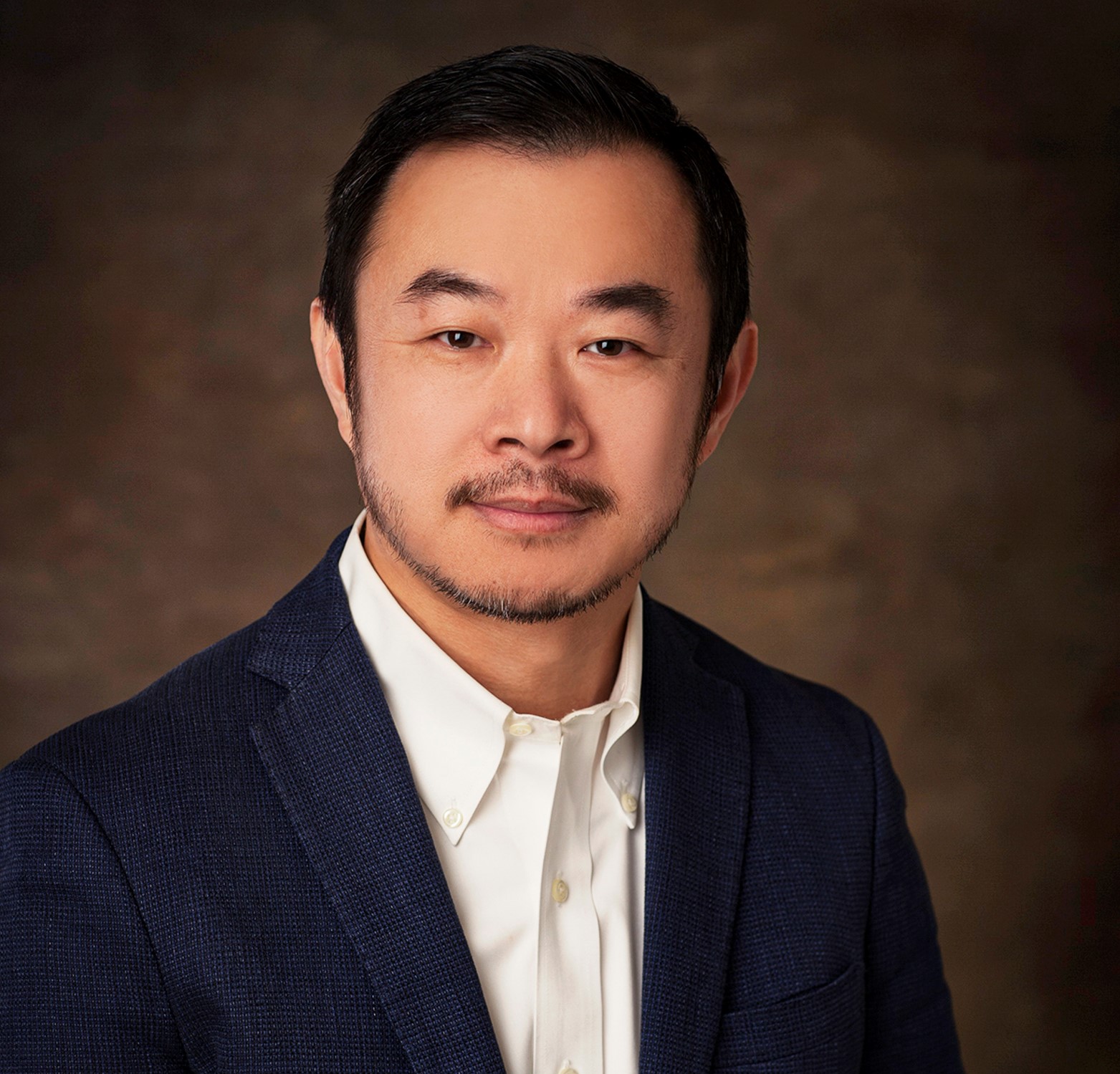
Eric Xing
President and University Professor, Mohamed bin Zayed University of Artificial Intelligence, and Professor of Computer Science, Carnegie Mellon University
Training in Imagination or Learning by Telling the Truth — A Debate on World Model
A world model (WM) is a mental simulator of the real-world environment allowing agents to reason about how the world evolves, and accordingly to plan, act, and strategize. In building Artificial Intelligence (AI) systems, world models represent the next frontier beyond large language models (LLMs) to enable physical and embodied intelligence in AI agents, allowing them to perform decision-making through simulative reasoning and reinforcement-learning through simulative trials. Several fundamental architectural questions regarding world models, such as state representation, information flow, or training objectives, remain unresolved, but perhaps the most intriguing controversy above all centers around an issue both philosophical and practical: is a WM trained in imagination — predicting the next latent state; or by learning to tell the truth — generatively reconstructing the next observation. In this talk I will attempt to analyze this issue along five axes of world modeling: data, representation, architecture, objective, and usage, with an information theoretic and statistical learning lens, and present a Generative Latent Prediction (GLP) paradigm for building general-purpose WM. I will conclude with a case of using GLP to build a world model of the virtual biological cell toward an AI-driven digital organism.